Auroville: An Experiment Under Threat
Saturday 11 July · 4:00–8:00 PM
Sunday 12 July · 9:00 AM–1:00 PM & 4:00–8:00 PM
Journalist? Writer? Publisher?
Get in touch with our Press Relations team: [email protected]
Auroville: An Experiment Under Threat
A second public exhibition in Puducherry brings photographs, testimonies and documentary material into national and international focus — raising urgent questions about ecology, land use, governance and the future of Auroville’s founding experiment.
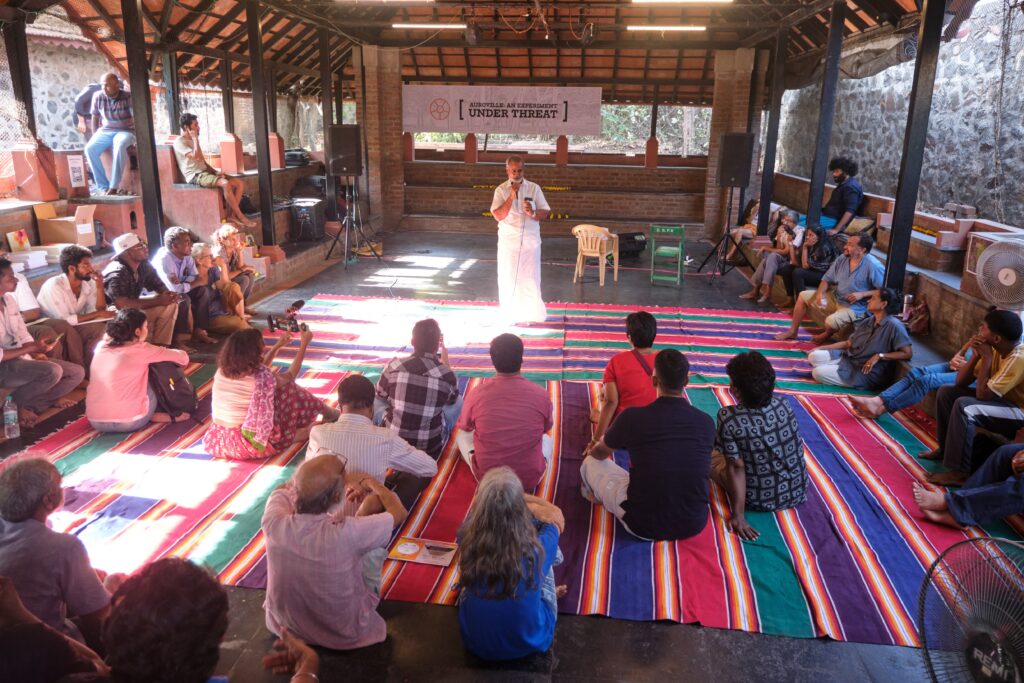
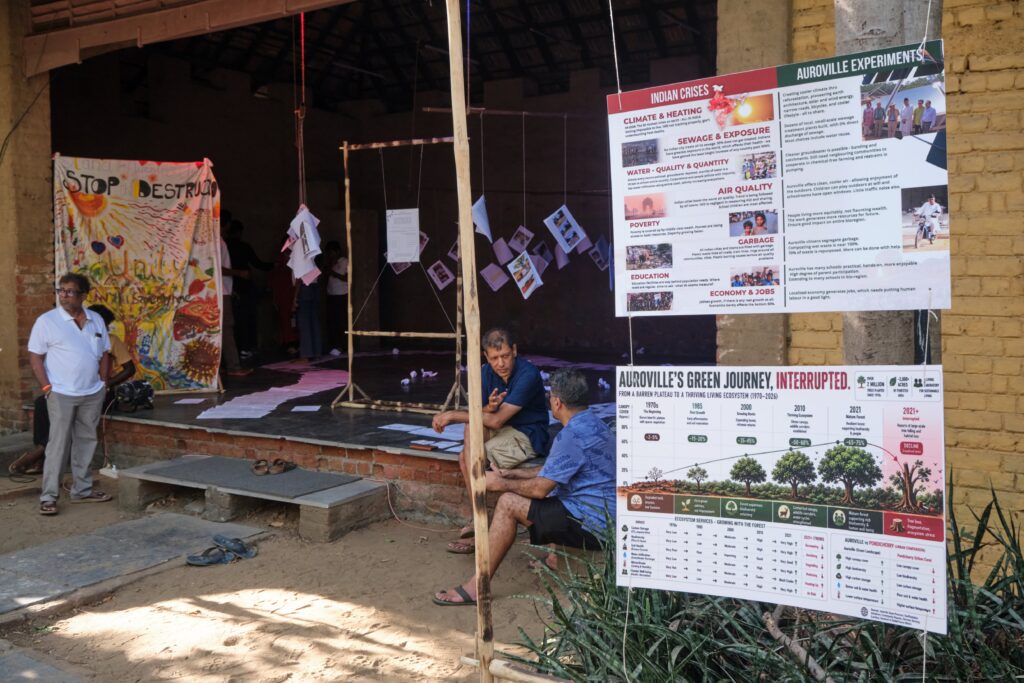
Puducherry, 11 & 12 July — For the second time since the first public photographic presentation in Chennai on 6 June, residents and participants of Auroville are bringing together photographs, videos, testimonies and documentary material for a two-day public exhibition examining what organisers describe as the present crisis facing the international township.
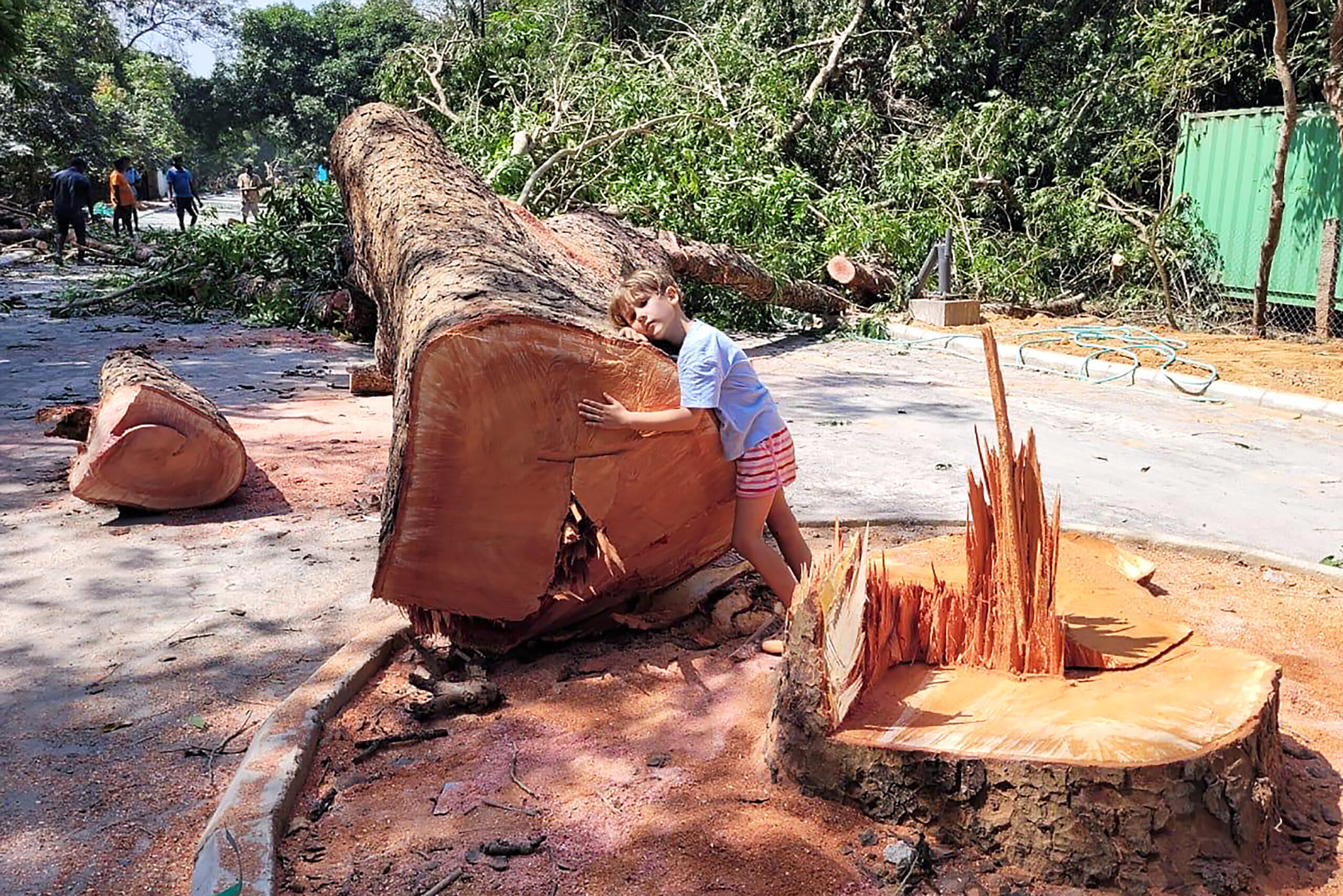
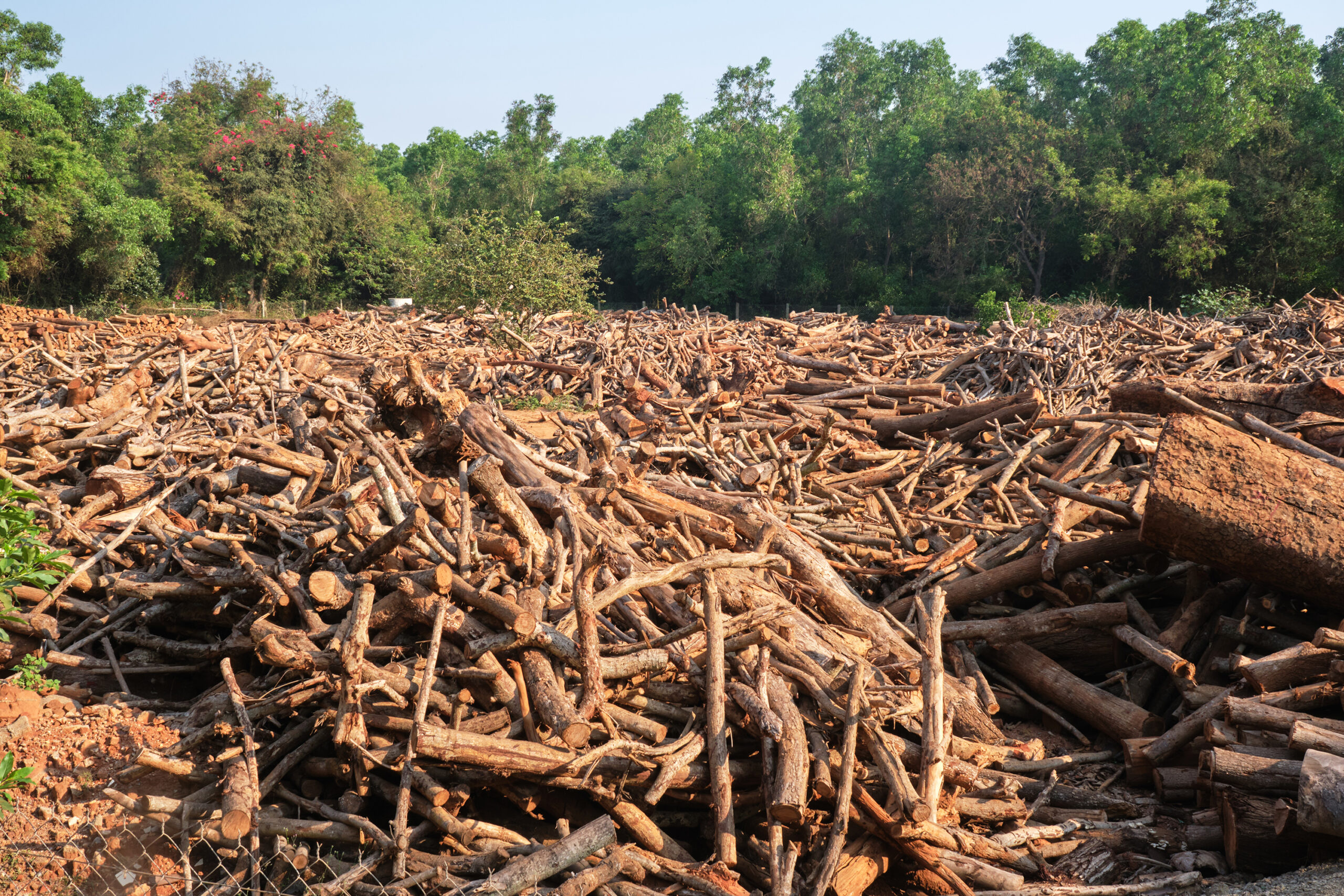
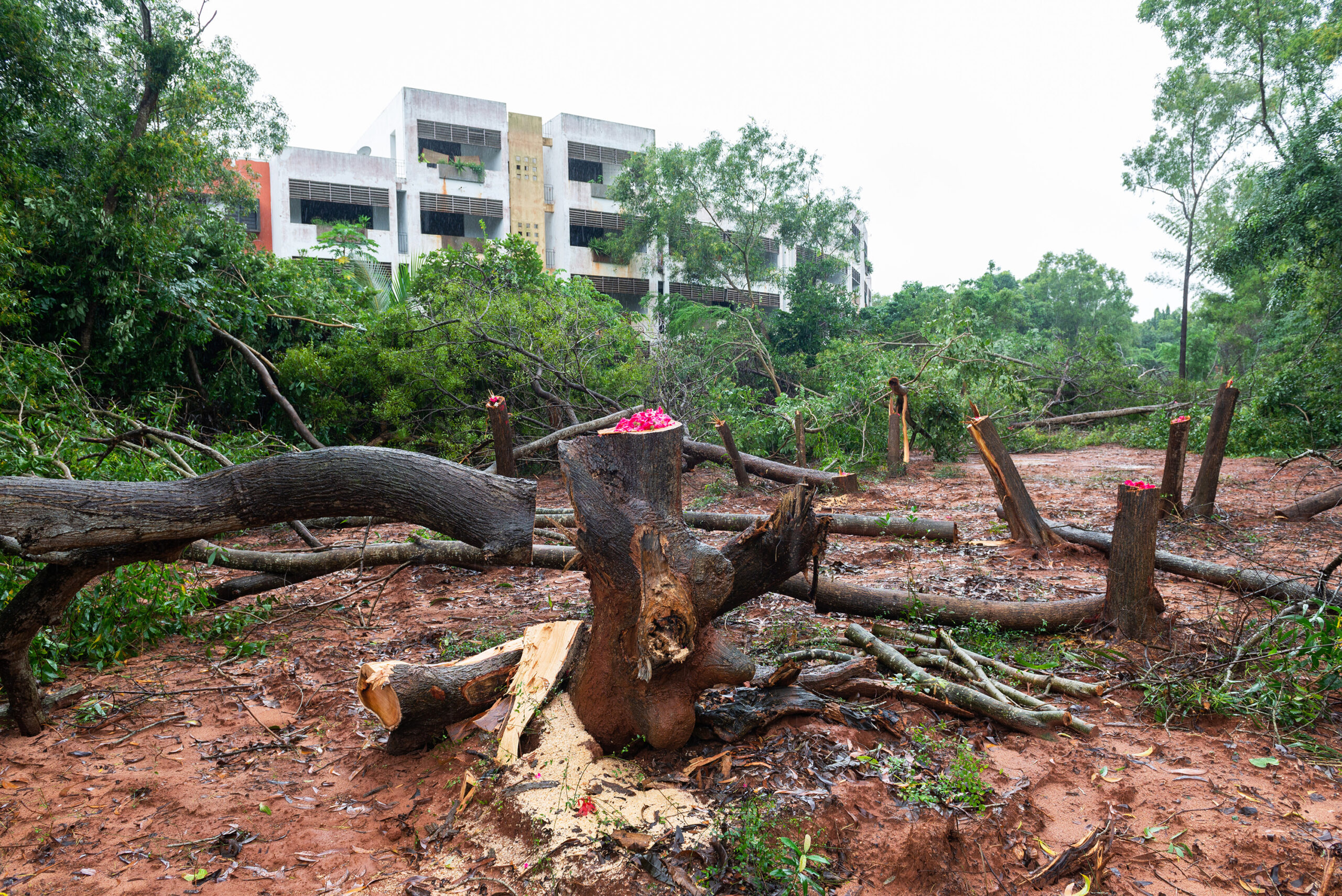
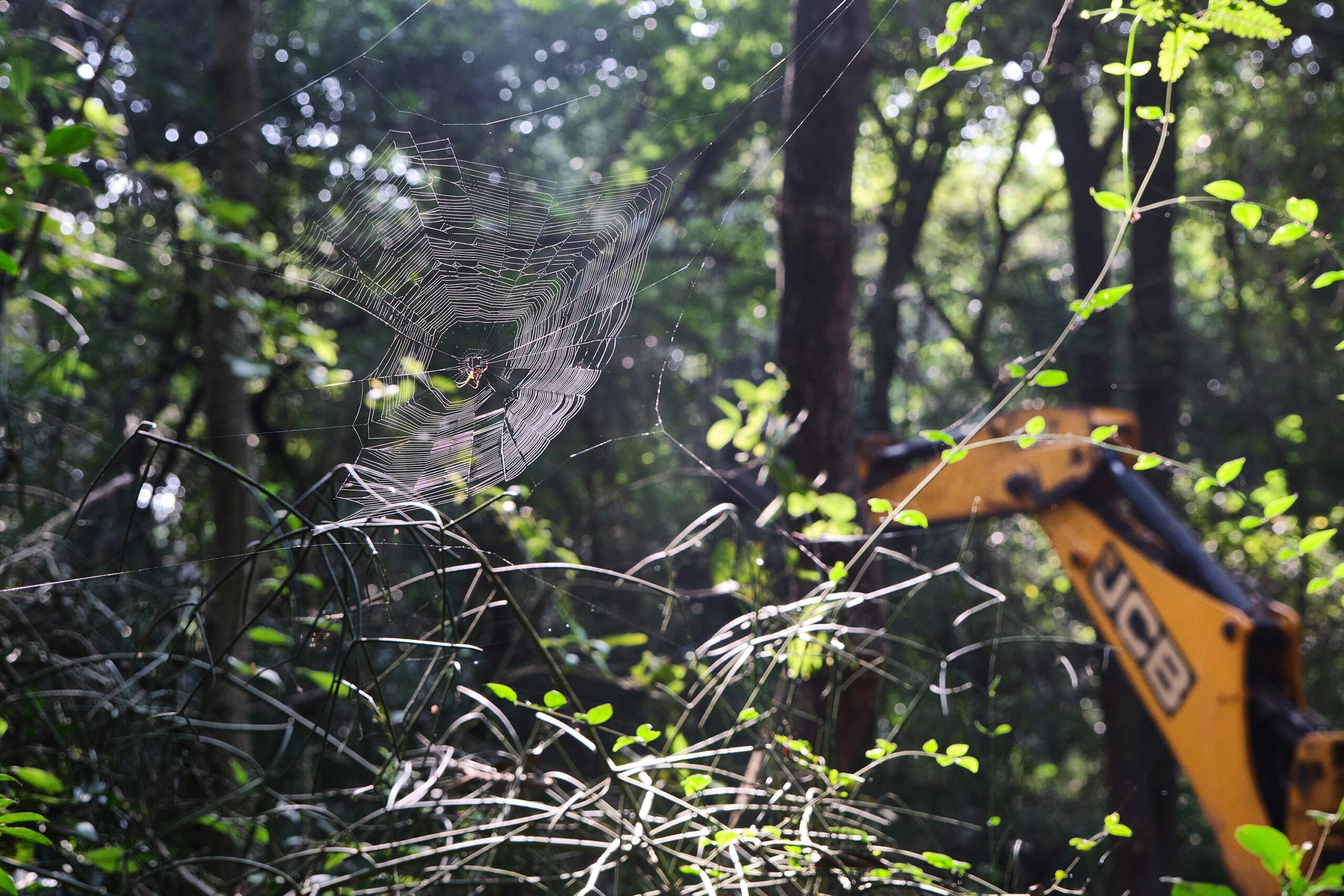
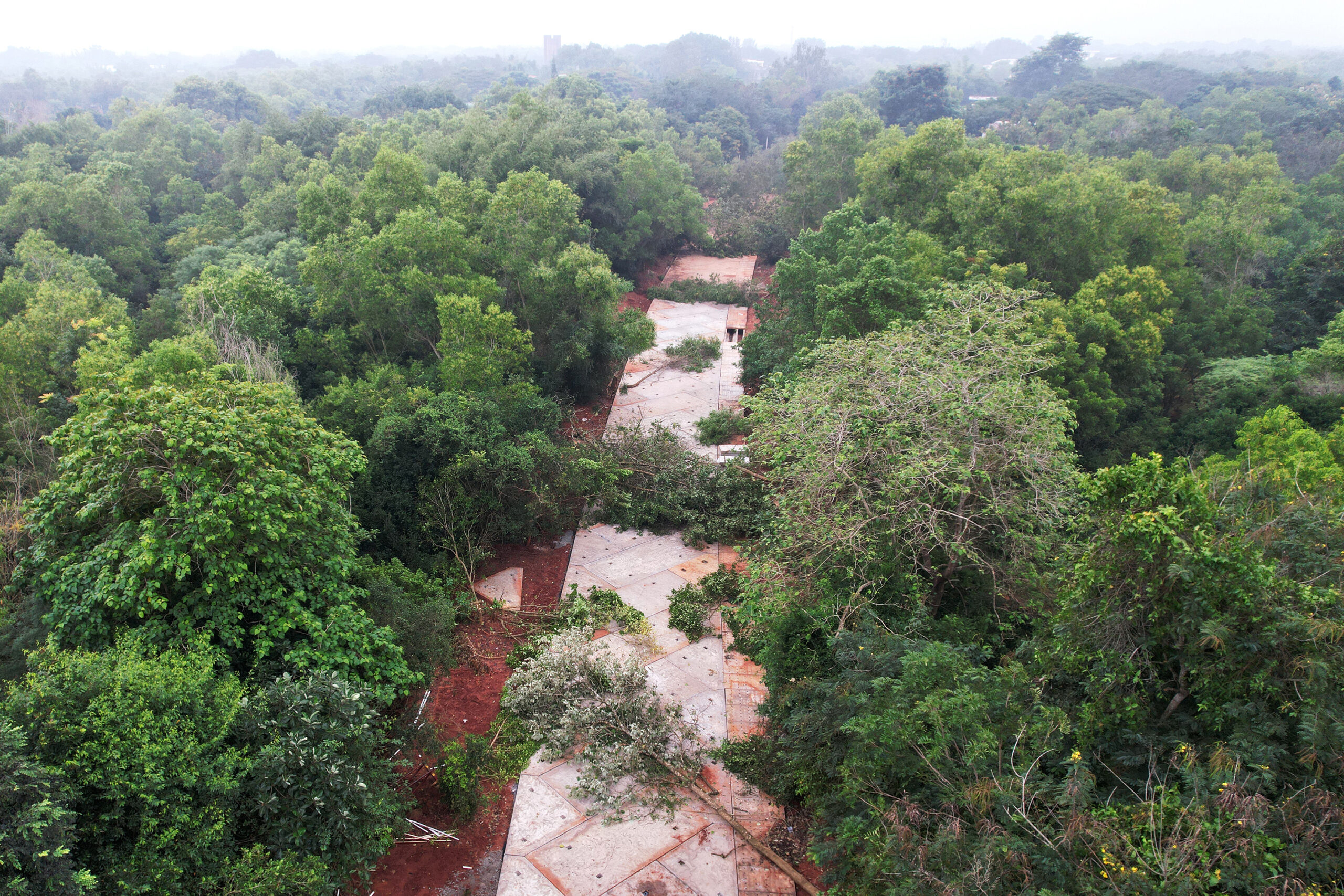
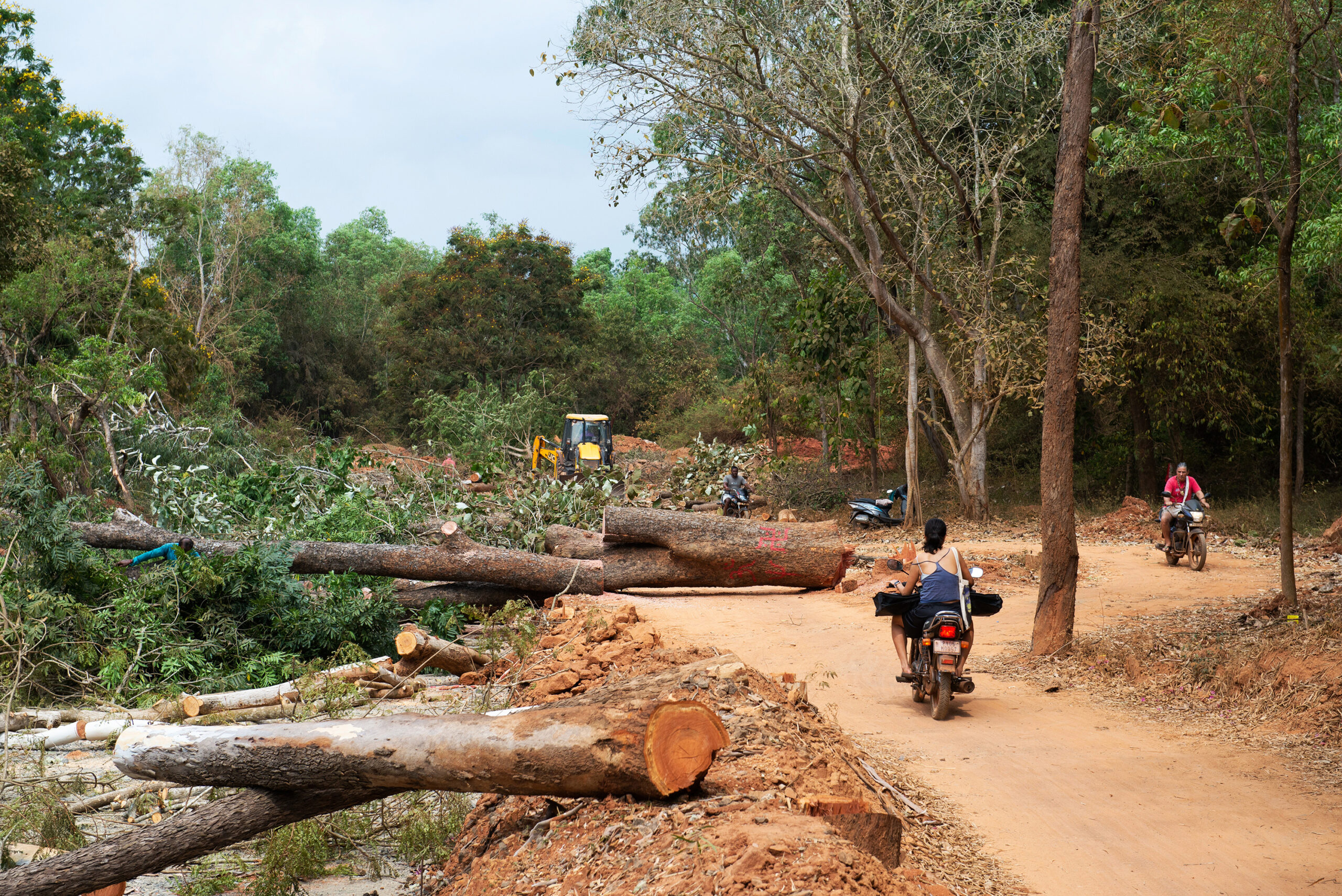
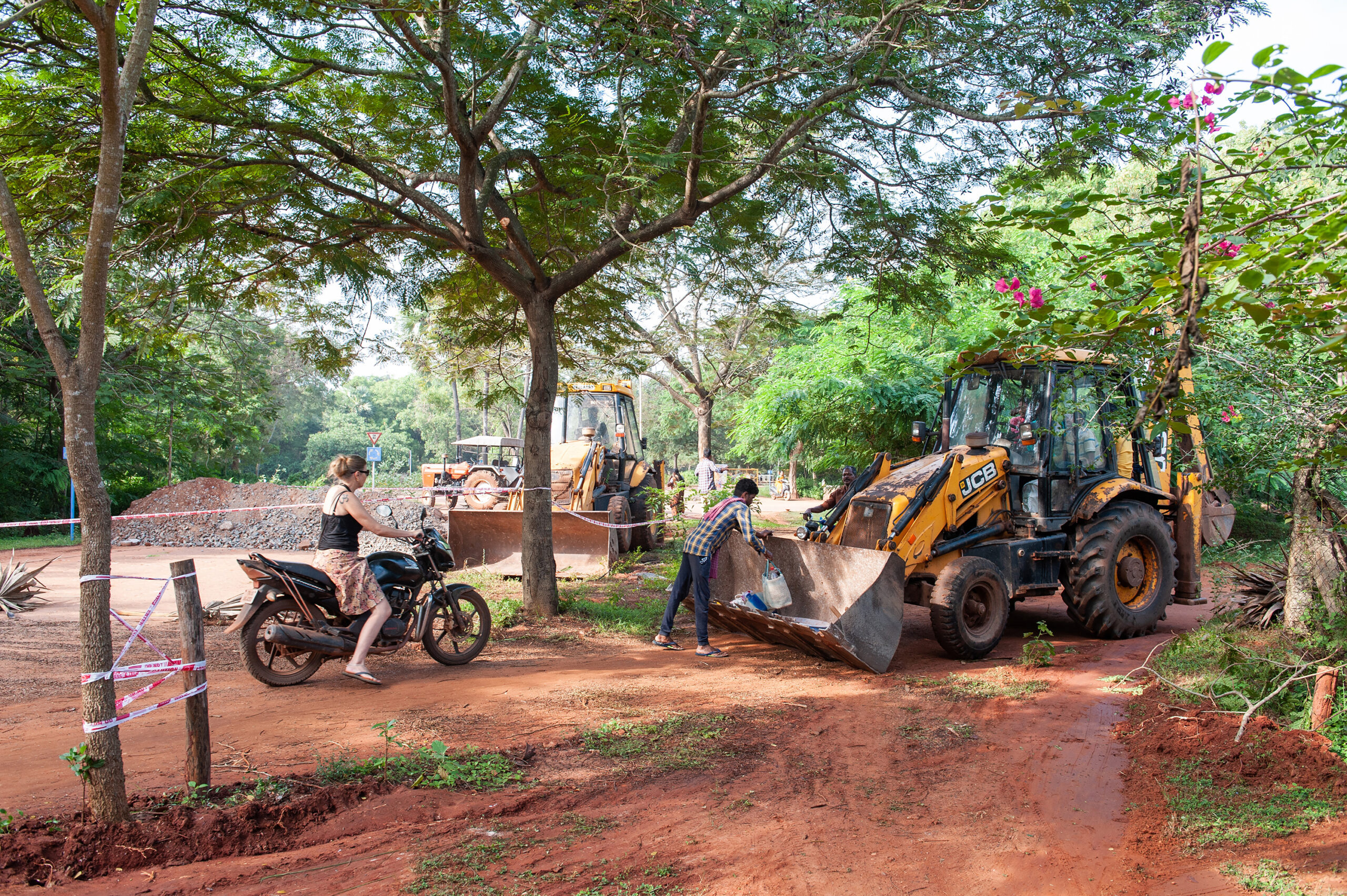
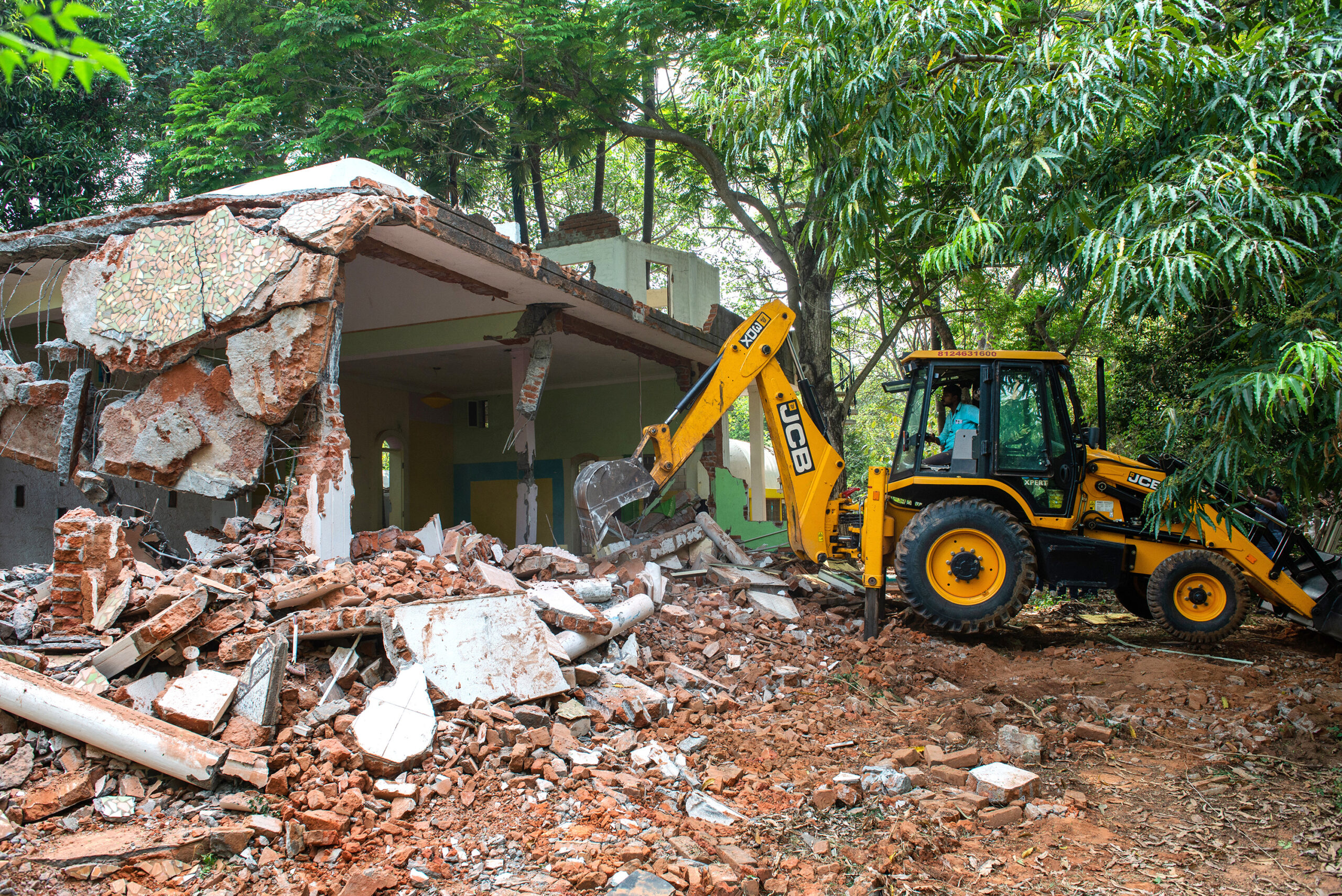
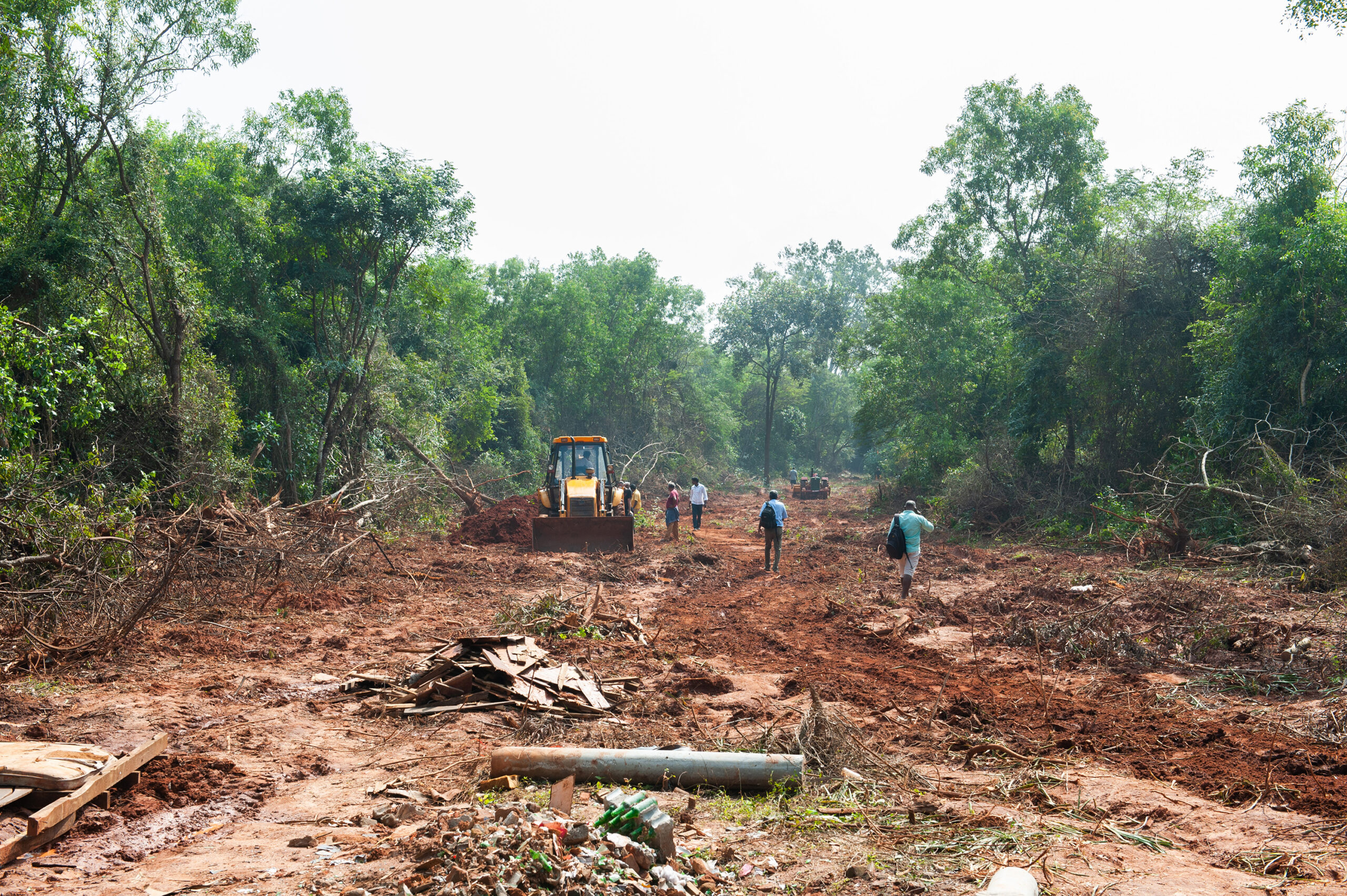
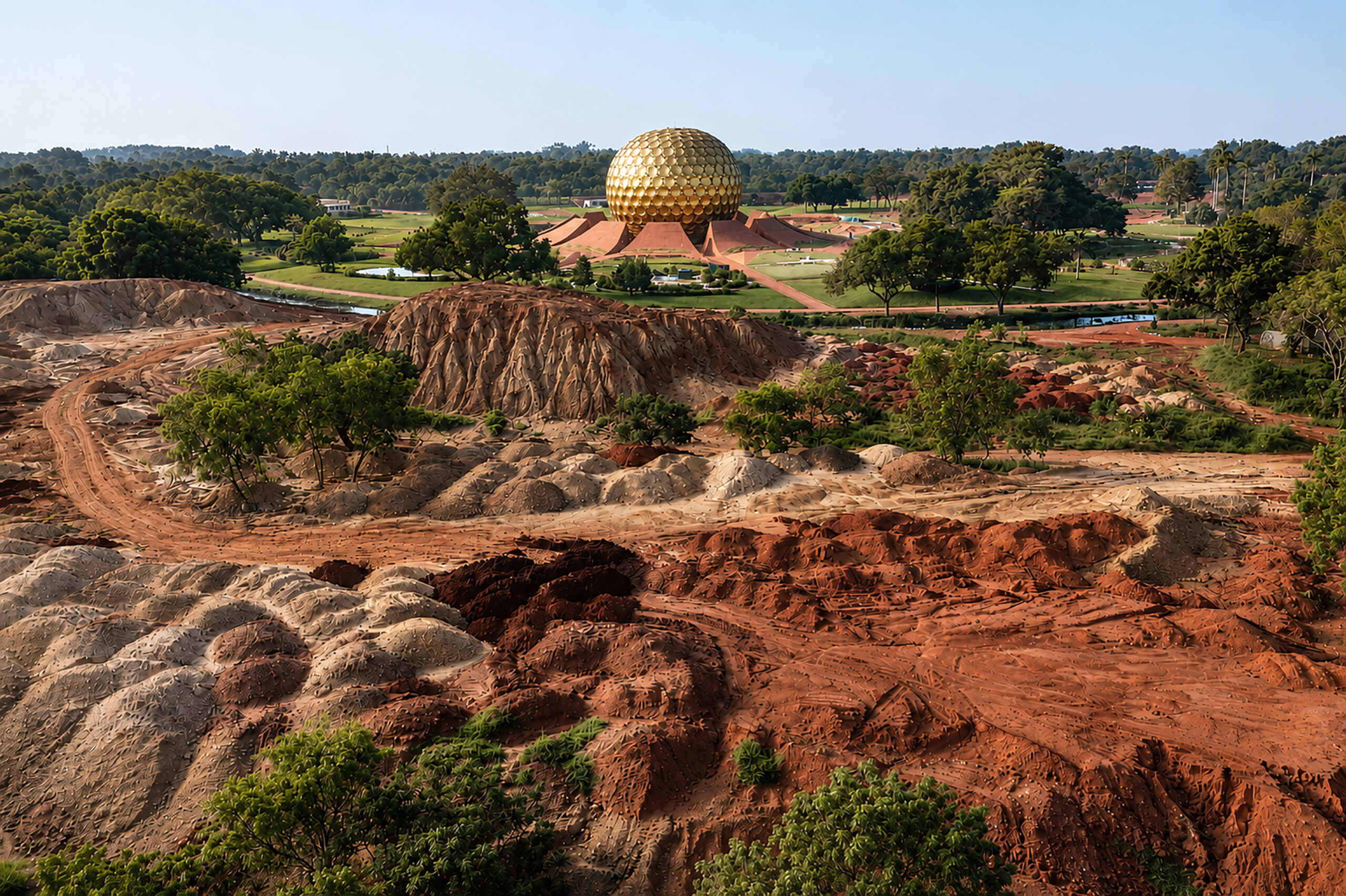
Titled “Auroville: An Experiment Under Threat,” the exhibition documents concerns that have emerged since 2021 regarding the impact of administrative decisions and accelerated development works on long-standing ecological restoration projects, organic farms, community processes, and the continuity of Auroville’s founding vision and purpose.
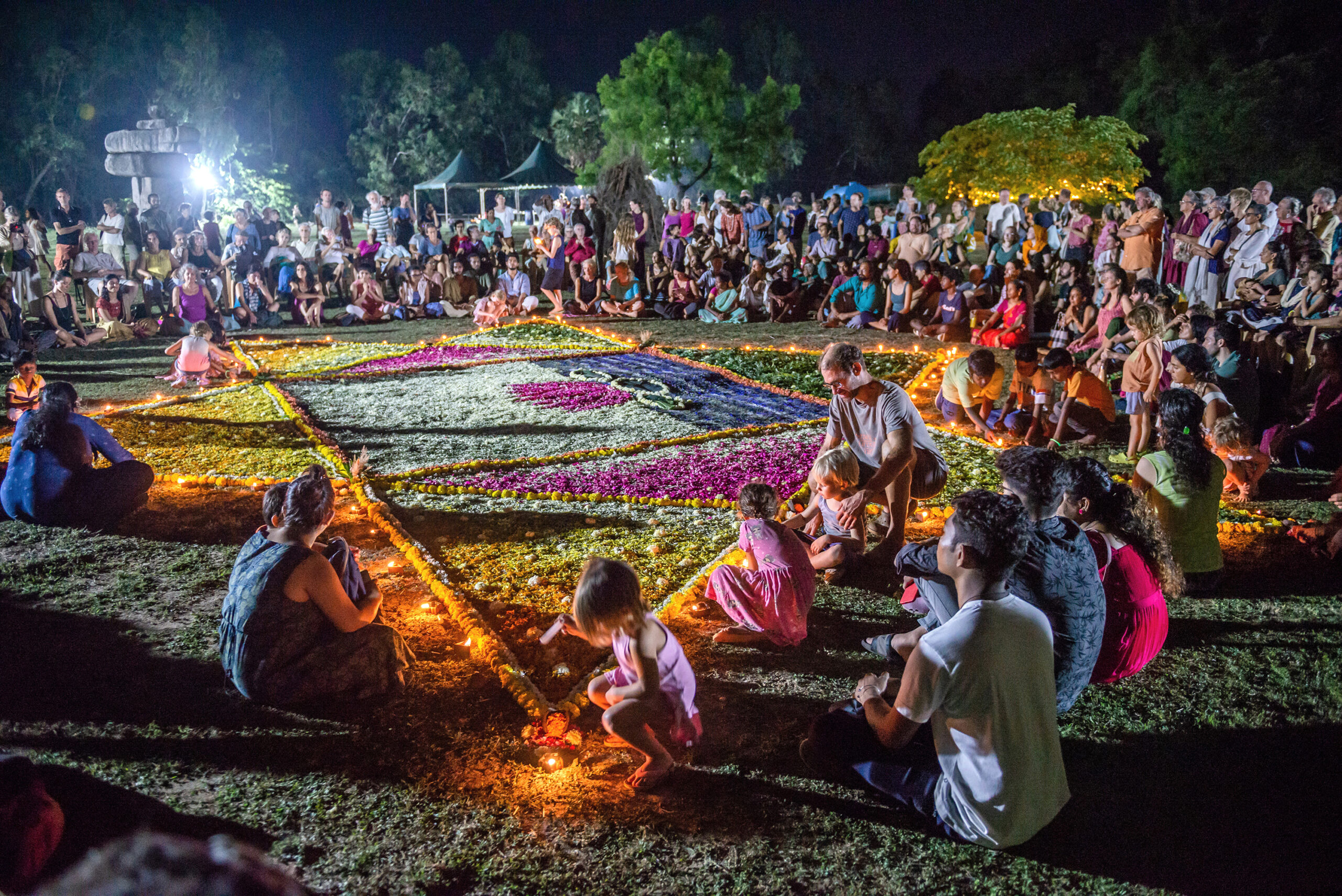
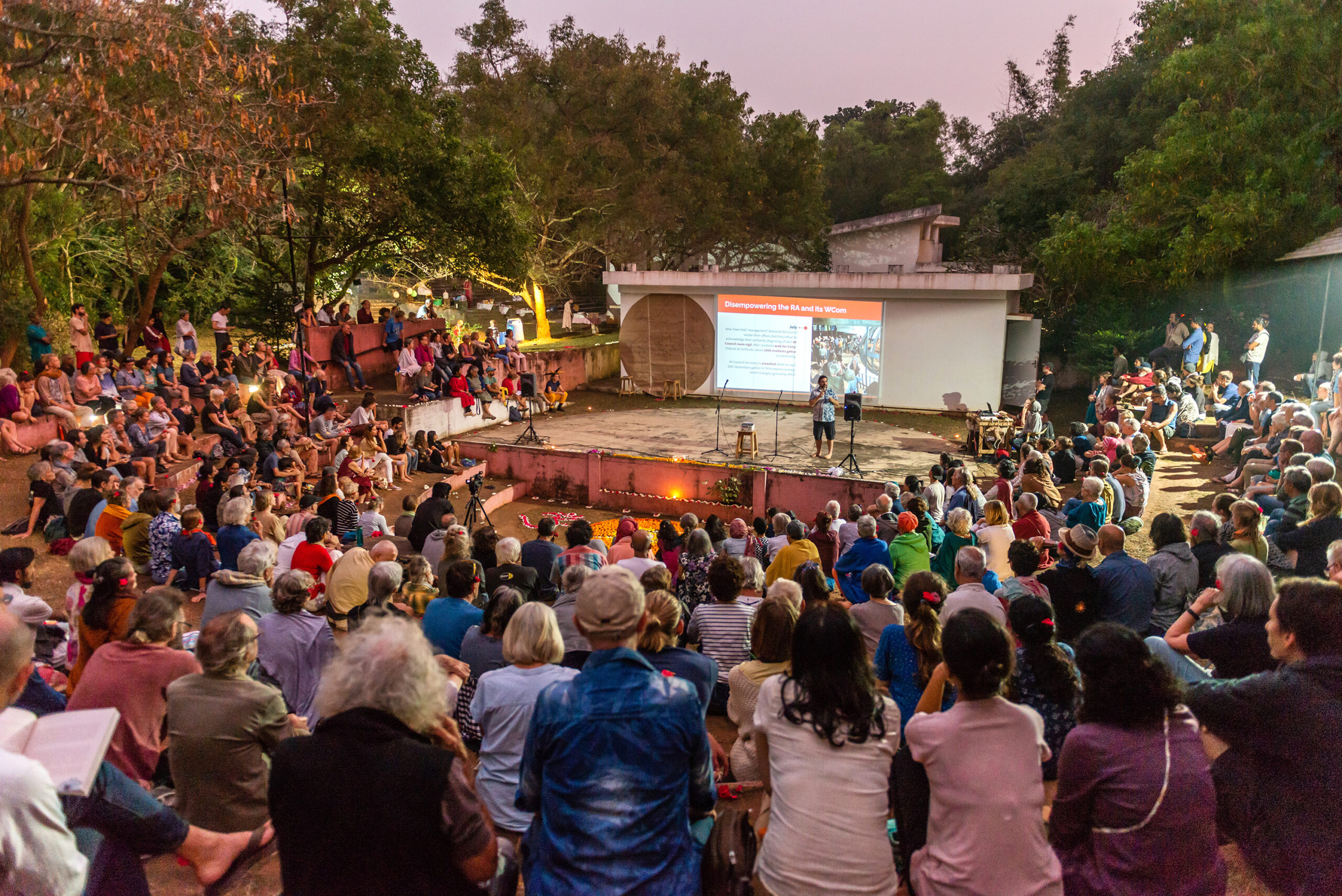
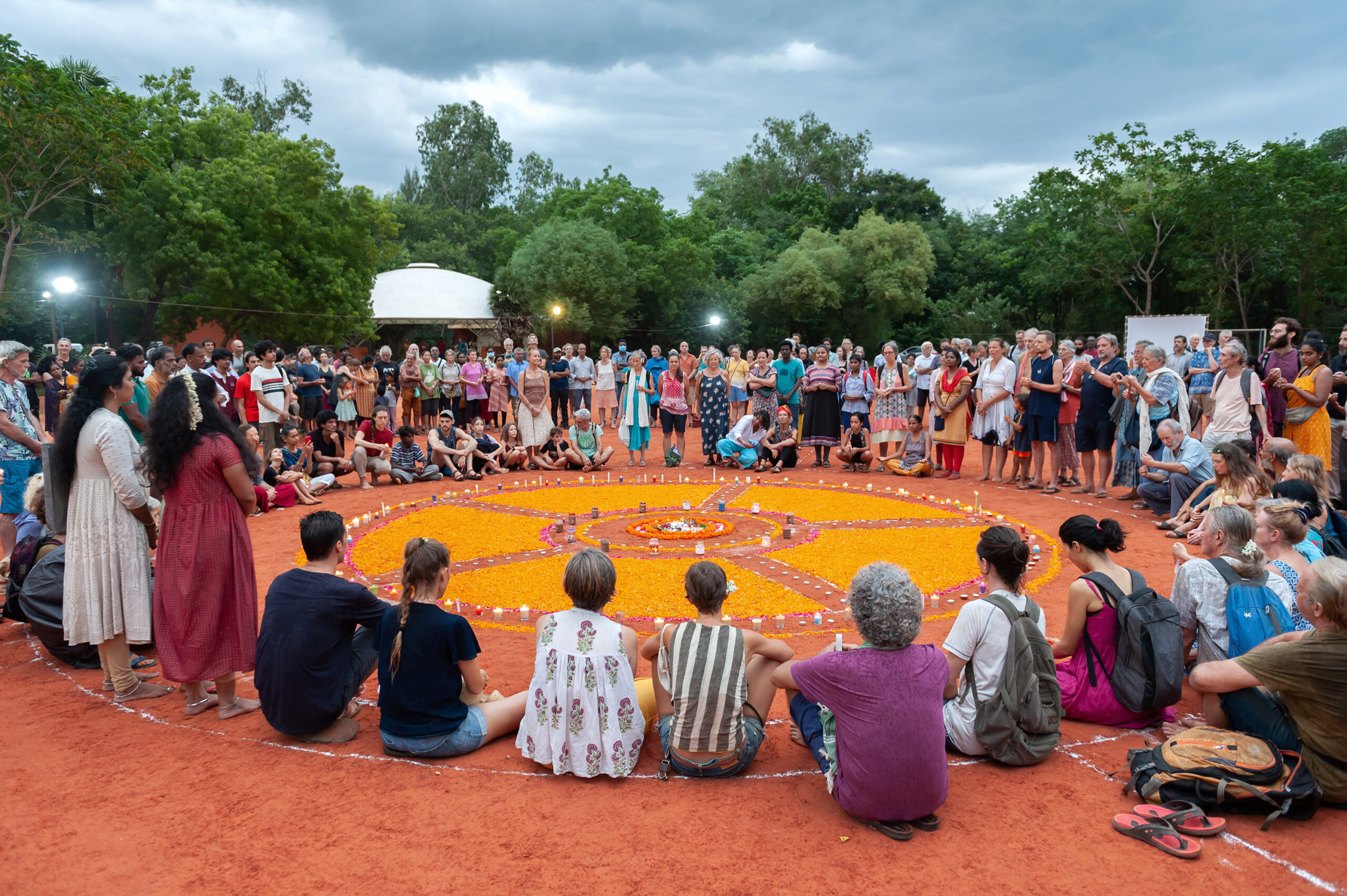
The organisers stress that the exhibition is not presented as a protest, but as a public record — a space for visual documentation, lived testimony, historical context, conversation and press engagement around one of the world’s longest-running and largest international communities, founded in 1968 as an ongoing experiment in human unity. For the second time, residents will speak publicly about their experiences since 2021, what they believe is at stake, and how they say they have responded to mounting challenges with growing solidarity and collective strength.
WHY THIS MATTERS NOW
Auroville was not conceived as a utopia. Founded in 1968, it grew from “A Dream,” Mirra Alfassa’s vision — first expressed in 1954 — of a universal town where people of all countries could live in peace and progressive harmony above all creeds, politics and nationalities, working toward what the Auroville Charter later described as a site of material and spiritual research for a living embodiment of actual human unity.
Located in Tamil Nadu and supported by the Government of India since its founding, Auroville has earned international recognition for ecological restoration, afforestation, sustainable architecture, organic agriculture, alternative education and experiments in collective living. UNESCO has adopted five resolutions endorsing the township, from its earliest years through to the resolution marking its 50th anniversary in 2018.
Organisers say that in July 2021, following the appointment of a new Secretary and Governing Board, the township’s direction changed sharply — marking, in their account, a shift from a living, participatory, social and spiritual experiment toward a top-down administrative project. The exhibition documents what organisers describe as the progressive dismantling of a five-decade experiment of ecological, cultural and spiritual significance.
THE QUESTION AT THE HEART OF THE EXHIBITION
Should living experiments in human unity, ecological restoration and participatory governance be subjected to forms of governance and development that come at the cost of the very experiment they are meant to sustain and protect?
Through photographs, videos, resident testimonies and documentary material, the exhibition raises questions of governance, ecology, resident participation, land use, transparency and the future of Auroville as a global experiment in human unity.
“If Auroville is an experiment in human unity, then its future concerns more than Auroville alone. We invite you to witness, question, and participate in an important conversation about what humanity stands to gain — or lose — when such experiments come under threat.”
— Mandakini Skoles, organiser and resident of Auroville
The organisers are calling for serious media scrutiny, informed public discussion, greater transparency, and the protection of Auroville’s founding purpose, in the interest of preserving a living experiment intended to serve humanity as a whole.
WHO SHOULD ATTEND — AND WHY
The exhibition is open to residents, neighbours, journalists and independent media, environmentalists, legal experts, academics, artists, devotees of Sri Aurobindo and The Mother, civil society organisations and concerned citizens. Visitors are invited to explore the material, engage with the questions being raised, and reflect on what is at stake — for Auroville and for the future of living experiments in human unity.
Come not to take sides, but to understand what is at stake.
PROGRAMME
Opening hours
· Saturday 11 July: 4:00–8:00 PM
· Sunday 12 July: 9:00 AM–1:00 PM & 4:00–8:00 PM.
Across both days, the programme includes:
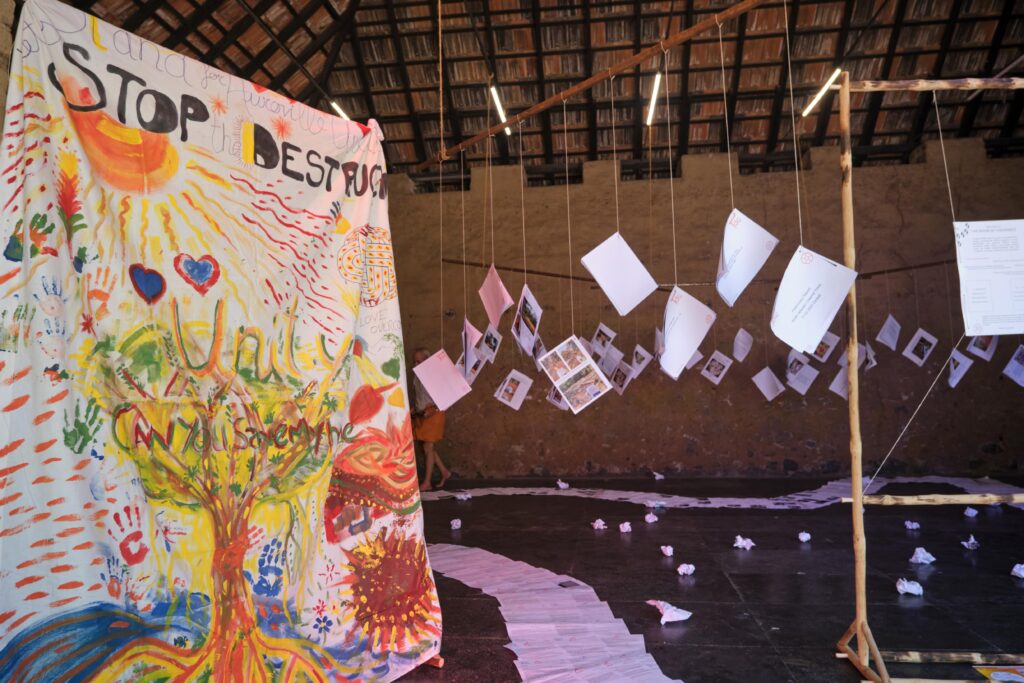
- Photo exhibition — images documenting Auroville’s ecological restoration, community initiatives and recent changes.
- Testimonies & conversations — personal accounts from people involved in Auroville’s ecological, social, educational and community work over several decades.
- Guest observations — perspectives from public figures across civil society, ecology, law, culture and governance.
- Reflections & summary session — a closing conversation drawing together the exhibition’s themes.
MEDIA ENQUIRIES & PARTICIPATION
PRIMARY CONTACT
Mr. Arun Ambathy
+91 95001 83706
[email protected]
ADDITIONAL CONTACT
Ms. Mandakini Skoles
+91 97868 08481
[email protected]
— E N D S —
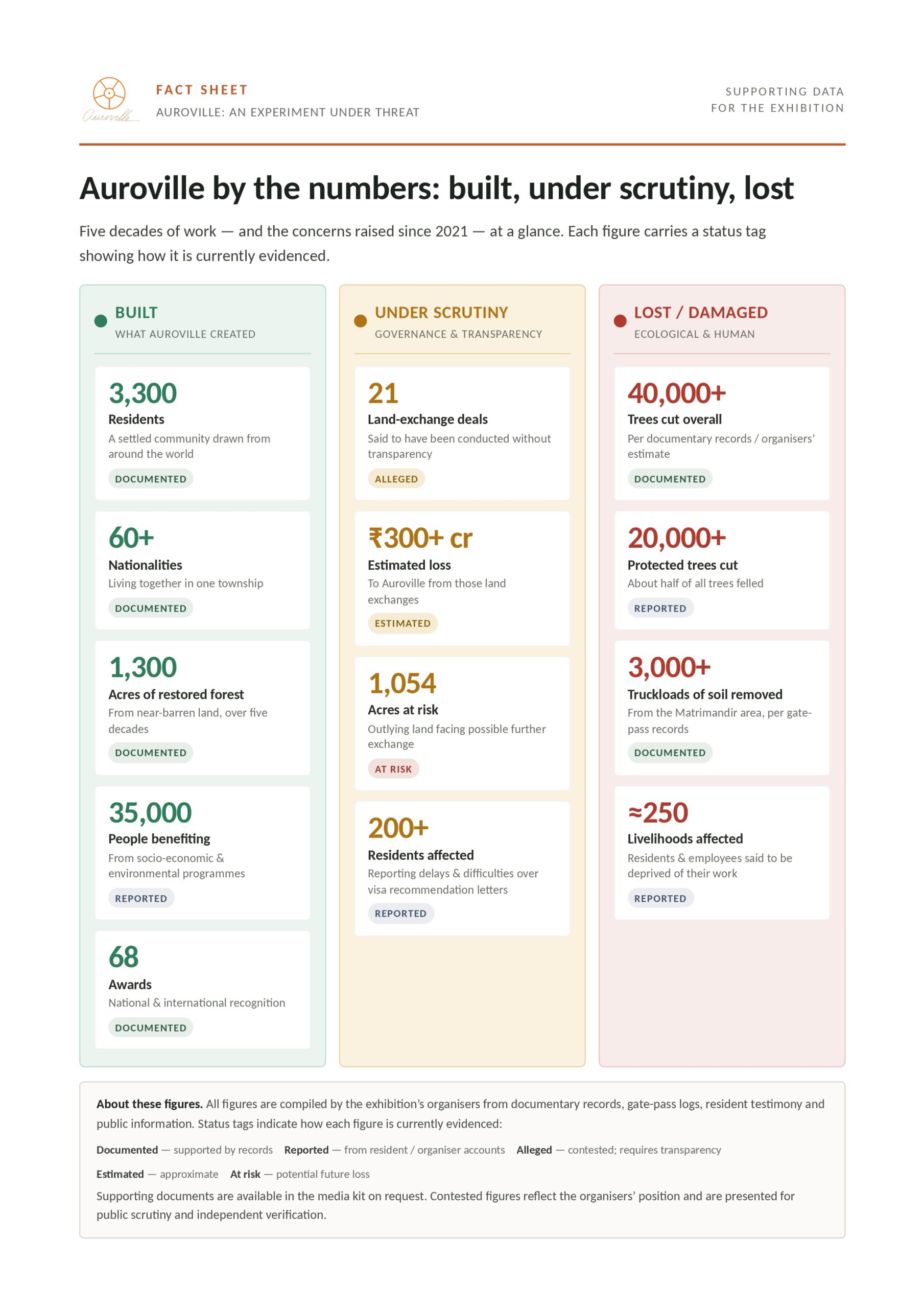
Notes to editors. A media kit — including source photographs, supporting documents, resident testimonies and the fact sheet overleaf — is available on request from the contacts above. The figures cited carry evidence tags (see page 3) indicating whether each is documented, reported, alleged, estimated or at risk. High-resolution images and interviews with residents can be arranged for accredited media.