13 September 2026
FARMERS EVICTED – A DEADLINE OF 10 DAYS TO “RELOCATE” THEIR FARM.
Auroville's Largest Organic Farm Threatened with Destruction.
URGENT ACTION NEEDED!
Auroville, Tamil Nadu - In a darkly ironic twist, Annapurna Farm, Auroville's largest and most productive organic farm, faces imminent destruction as the Auroville Foundation's Governing Board leased this vital agricultural land to IIT Madras for a "sustainability campus." Claiming that the current farm can ‘relocate’ demonstrates a complete lack of understanding about how an organic farm develops over many years, even decades.
Journaliste ? Écrivain ? Éditeur ?
Contactez notre équipe chargée des relations avec la presse : [email protected]
The stewards of Annapurna Farm received notification of this land seizure through a blunt email on August 13, 2025, with no prior consultation with farm managers or the Auroville community. The news appeared in newspapers before the farm’s own managers were informed.
Points clés :
- Mother’s Vision Violated: The first lands were purchased during the Mother’s lifetime in 1965, with the intention that these lands would be used to produce food for Auroville.
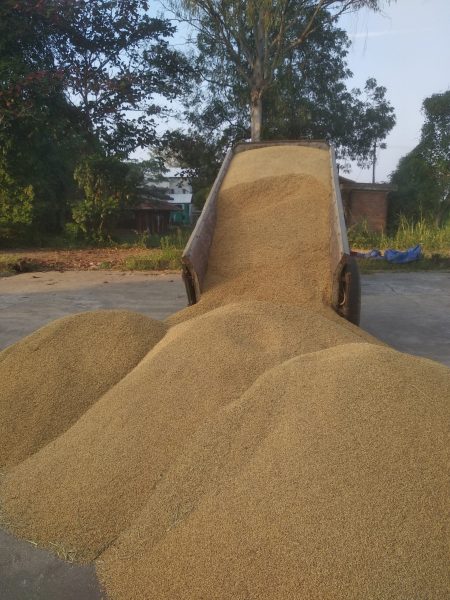
- Food Security: Annapurna produces 30% of the food supply from Auroville’s farms, which includes high quality organic grains, and functions as the community’s central granary and processing over 90% of grains from a number of Auroville’s farms.
- 40 Years of Work marked for destruction: Although some farming activities were carried out in the 1970’s, the current incarnation of Annapurna Farm was established in the early 1980s and has become a model of regenerative agriculture on its 135 acres, with IMO Control (IMO IN) organic certification since 2005.
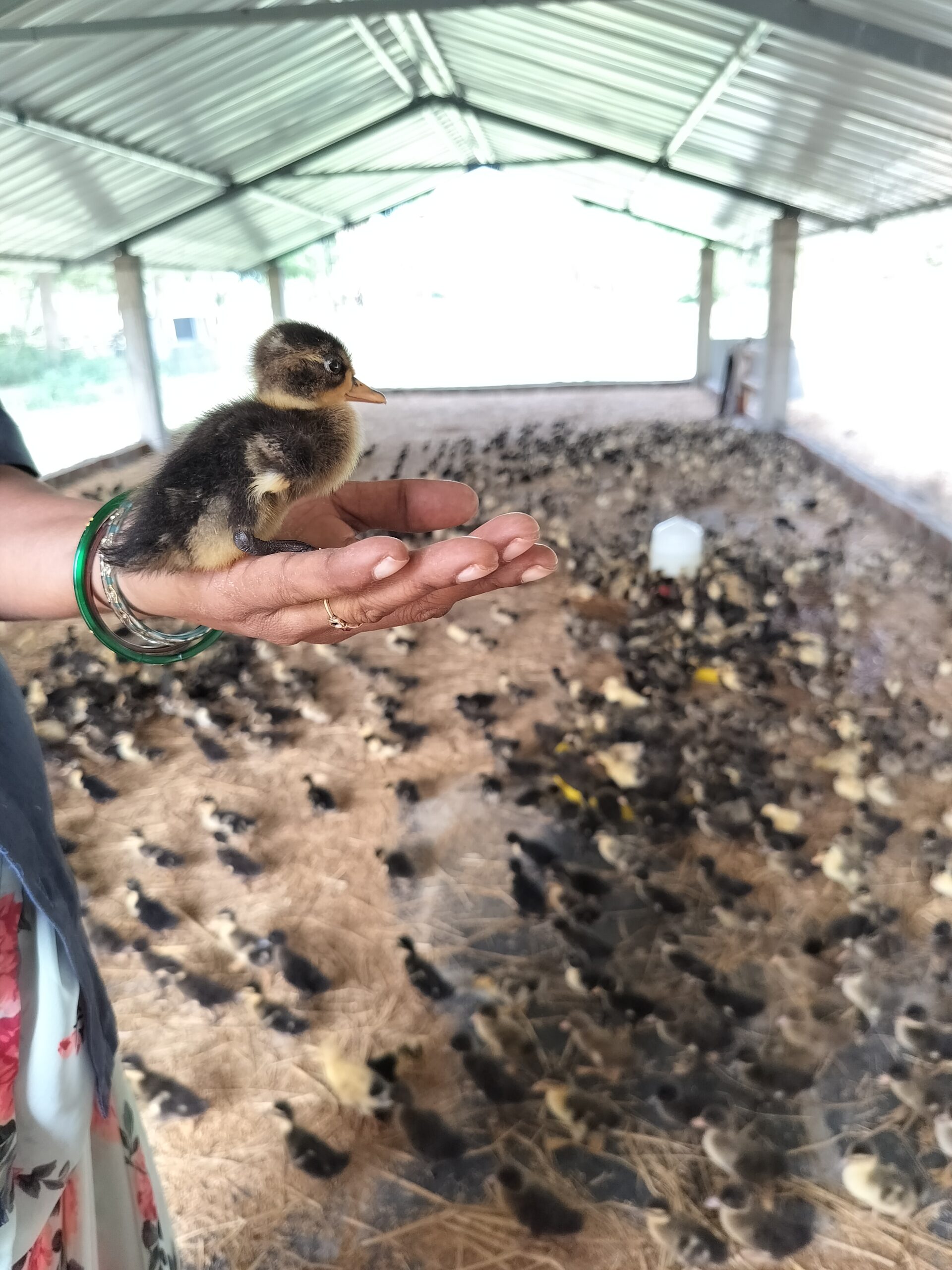
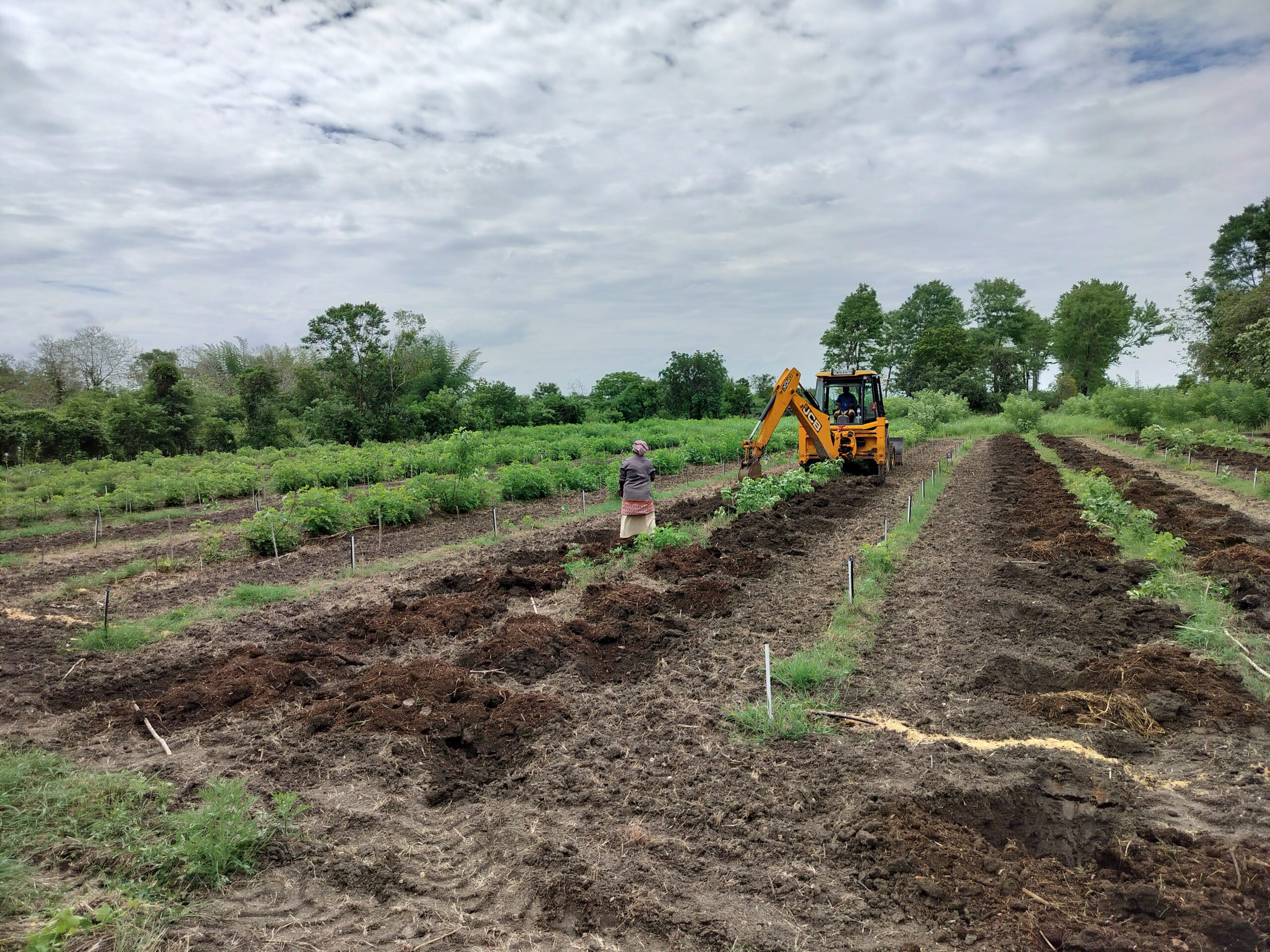
- False Claims: The Office of the Secretary, Auroville Foundation (AVFO), claims Annapurna uses only 35 acres, ignoring the complex ecosystem that is necessary for organic farming, which includes 23.25 acres of field crops, 6.75 acres of fruits, 30.5 acres of fodder/biomass, 14 acres of grazing lands, 14 acres which include extensive rain water harvesting ponds, and essential infrastructure, as well as 6 acres that hold 2 cow houses, cow corral, storage and drying areas, machine workshop, poultry house, duck house, compost areas, community kitchen, the residential area, and dairy and fruit processing with the living fences and planted buffer zone developed over 40 years.
- Contradictory “Sustainability”: According to various media reports, the IIT campus will include an EV truck testing track, destroying productive farmland to test heavy vehicles.
- Employment Impact: The farm provides livelihoods for 17-20 regular employees as well as up to 20 seasonal workers from surrounding villages.
Auroville’s Residents’ Assembly and its International Advisory Council were not consulted about this land transfer, violating the letter and spirit of the Auroville Foundation Act. The International Advisory Council objected to this deal as early as August of 2025. While the former chairperson of the Governing Board of the Auroville Foundation, R.N. Ravi, has repeatedly criticized Auroville for not having achieved food self-sufficiency, his administration took a decision that will destroy the community’s most productive agricultural asset. As this follows a highly questionable land exchange deal of a substantial portion of AuroOrchard Farm and with another productive organic farm of Auroville under threat for a ‘VIP road’, Auroville’s food production is in danger of being severely diminished.
This represents the complete decimation of the ideal of a self-sustaining city, and it leads to Auroville becoming another urban space that extracts resources irresponsibly from surrounding areas.
The Annapurna management team tried to protect the farmland by working with the administration of the Auroville Foundation to save the farms operations, the organic dairy cattle and the 20 permanent workers. With goodwill they visited the five areas of Auroville Greenbelt lands proposed by the ATDC (Auroville Town Development Council, appointed by the previous Governing Board and with no experience in farming) as potential lands to relocate to, which ranged from approximately 3.5 to 11 acres; however none come close to the 50 acres of contiguous land that the Annapurna team estimates would be the minimum amount of land required. They have submitted to the administration two reports and attended 2 meetings with the administration regarding what would be minimally necessary for the farm operations to be relocated. However, the meetings were concluded with no solution for viable alternative lands
for relocation or the funding that would be necessary for relocation.
On 23rd December 2025 an officer in the Auroville Foundation Office signed a 33-year, nominal-rent lease deed with IIT Madras transferring control of 100 of Annapurna’s 135 acres, including the active farming areas, granary, dairy, workshops, and residences. However, this lease deed referred to land with survey numbers in Pulichipalliam village while the then Governing Board approved the lease of land in Thiruchitrambalam with survey number 175/2, as per the MoU.
No approval was given by the Governing Board for lease of Annapurna land before the expiry of its tenure. This is confirmed through an RTI response from the Auroville Foundation Office dated 09.04.2026.
In June 2026, IIT-M began fencing off the 101 acres of ‘leased’ Annapurna Farm land.
Latest developments
On the 5th of September 2026, the Annapurna farmers received from the Auroville Foundation an unsigned letter ordering them to vacate the place and to “relocate” to some other site:
“With a view to bringing this matter to an orderly and mutually workable conclusion, the following final transition arrangement is hereby communicated:
1. A period of ten (10) days from the date of this communication is provided for the residents to relocate from Annapurna Farm to the housing assets identified and kept available for their accommodation.
2. Within the same ten-day period, the residents are requested to commence the immediate relocation of livestock and such essential farm operations, equipment and movable items as are necessary for continuity of the farming activity, to the alternative farm areas within the Green Belt already identified/shown by the Farm Service. This ten-day timeline for commencement of the physical transition and vacation of the residential premises is final and non-negotiable.”
How can the farmers transport their granary, their cows, their workshops, their crops, their fruit trees and their soil, built and nurtured over decades, to some other place?
And to tell the farmers to move their residences away from the farm and its livestock again shows a complete lack of understanding about what it takes to successfully run an organic farm and dairy.
Call for action
- We call upon all concerned to respect the instructions given by the Chairman, Parliamentary Standing Committee on Education, Women, Children, Youth & Sports, Sri Mukul Wasnik (Member Rajya Sabha) in a strongly worded letter (dated 10th September 2026) to Ms Deepti Gaur Mukerjee, Secretary, Department of Education, Ministry of Education. It is clearly stipulated there that the Committee recommended that “Annapurna farms should not be disturbed and that alternative sites near by should be found to situate the sustainability campus”. It is therefore deeply troubling that the recommendation is disregarded and that the farmers are asked to vacate. In that letter, Shri Mukul Wasnik urges the Ministry to take immediate steps to ensure that this considered recommendation of the Committee is respected.
- Immediately pause all construction and site-preparation work on Annapurna Farm until there is an independent, transparent review of the project’s impacts on food security, ecology & local livelihoods.
- Actively explore and identify alternative sites for the IIT Madras campus that do not require destroying an existing, certified organic farm.
- Ensure that any future land-use decisions in Auroville follow participatory, documented processes that respect the role of long-term stewards, the Residents’ Assembly & environmental safeguards. Prioritise the protection of productive farmland, water systems and biodiversity in and around Auroville, in line with its founding ideals of human unity and sustainable living.
Farm Overview:
• Total Area: 135 acres (Auroville’s largest farm)
• Established: First lands purchased in 1965 during the Mother’s lifetime, with some farming activities carried out in the 1970’s; current incarnation established in the early 1980’s
• Location: 10 kilometers from Auroville center near Sedarapet village
• Certification: Organic certification from IMO Control (IMO IN) (Institute for Market Ecology) since 2005
Agricultural Production:
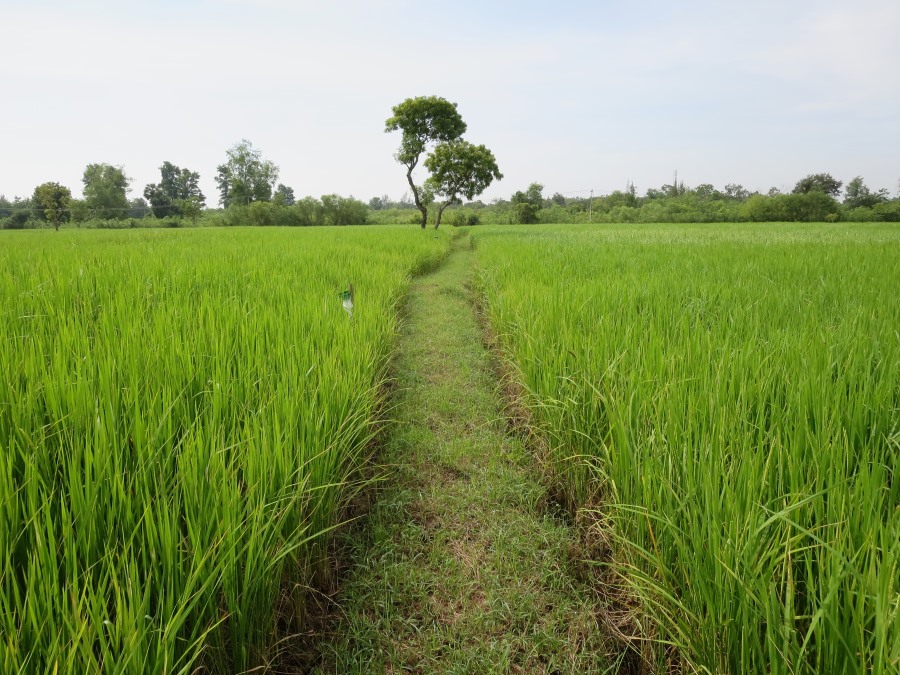
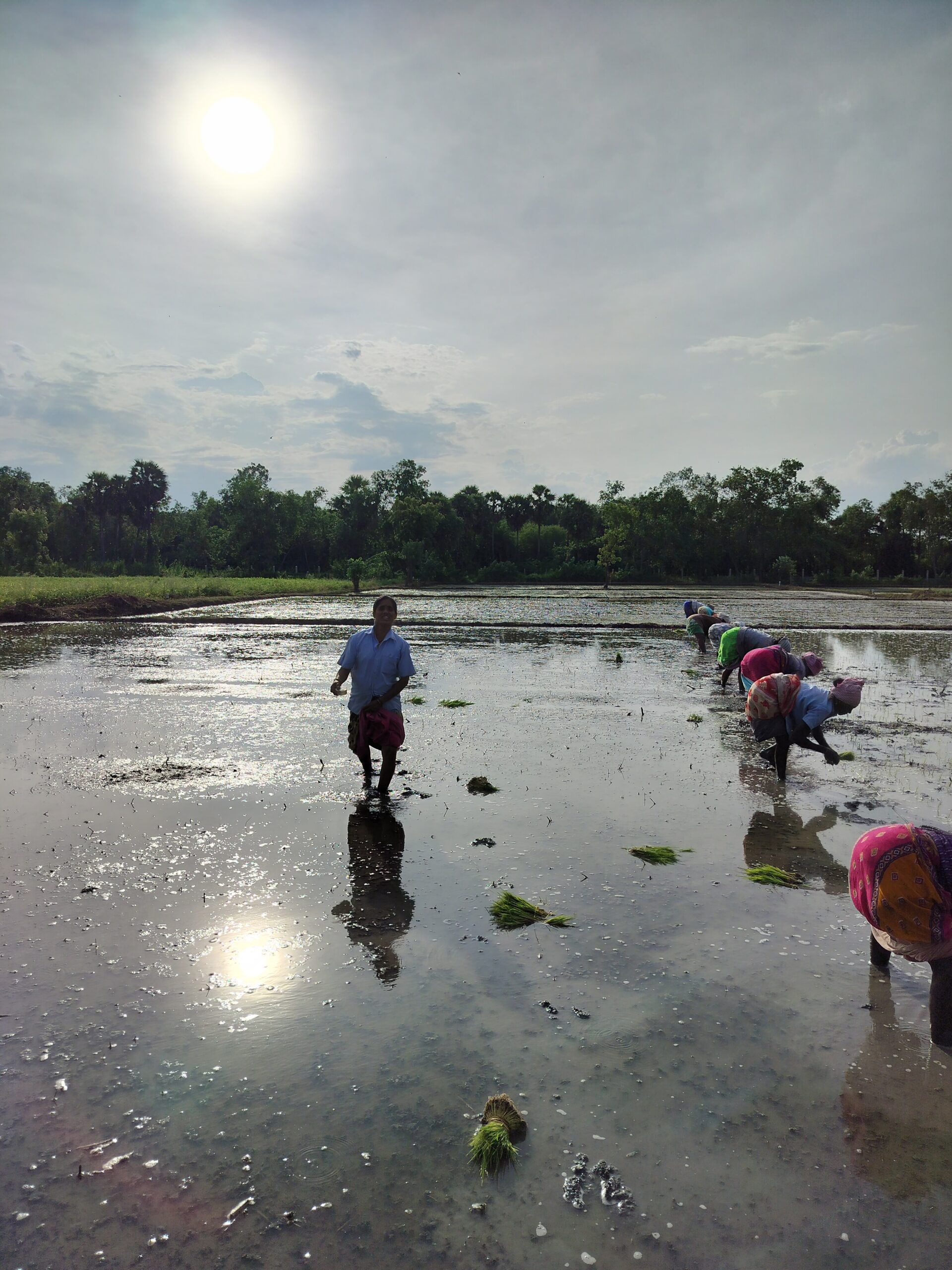
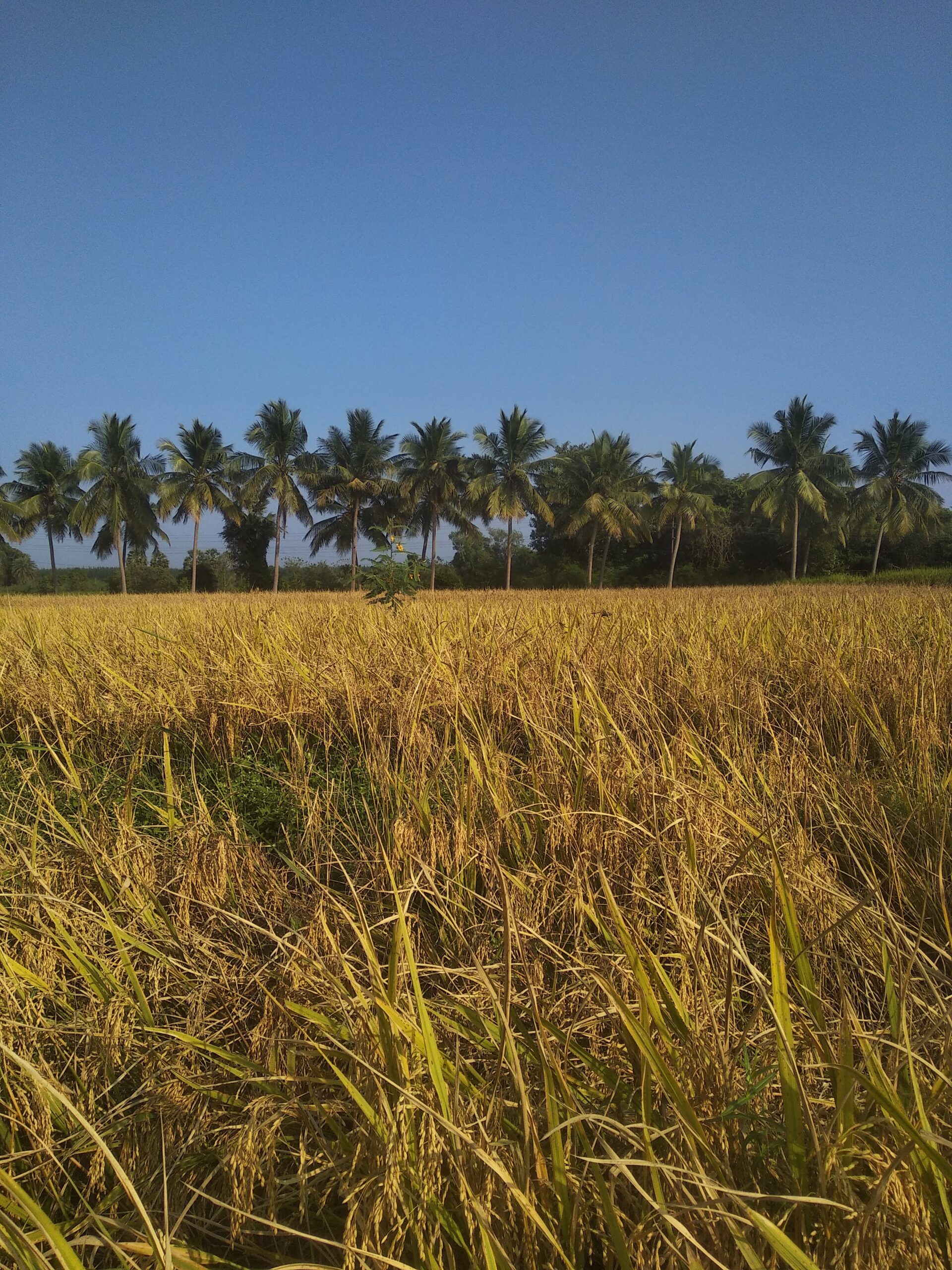
• Rice Cultivation: 20 acres of dedicated paddy fields
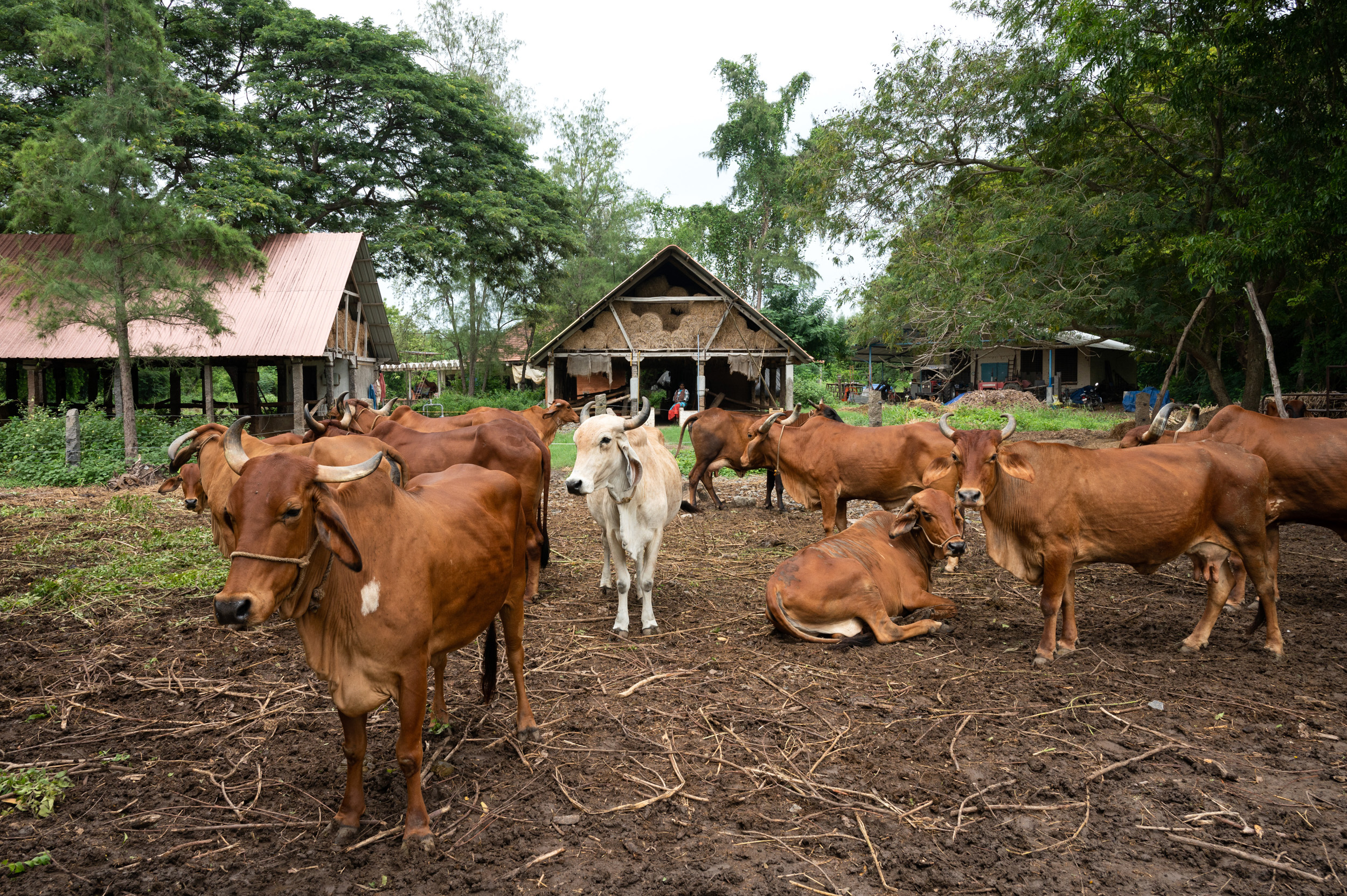
• Dairy Operations: ~24 animal herd with 14 milking cows; dairy processing includes daily staples and cheese production facilities
• Water Management: 3 catchments with ~50,000 cubic meters total capacity
• Employment: 17-20 regular staff, up to 40 during peak seasons
Land Utilization Breakdown:
• Field crops including paddy: 20 acres
• Various fruits: 6.75 acres
• Fodder/biomass plantation: 30.5 acres
• Grazing lands: 14 acres
• Planted buffer zone including living fences: 46 acres
• Water ponds and farm infrastructure such as roads, irrigation, go down, storage facilities, and homes: 14.5 acres
• Grazing and other uses: 30.75 acres
Community Impact:
• Accounts for 30% of Auroville’s total food production.
• Processes over 90% of grains from all Auroville farms as well as some regional farms
• Supplies high quality organic grains to Auroville and the local area. A total of 163 tonnes of Annapurna and Auroville grains processed and distributed in Auroville in the past 6 years.
• Serves as the central granary for 3,000+ residents.
• Provides employment for bioregional population.
• Is a model for organic agriculture.
Products:
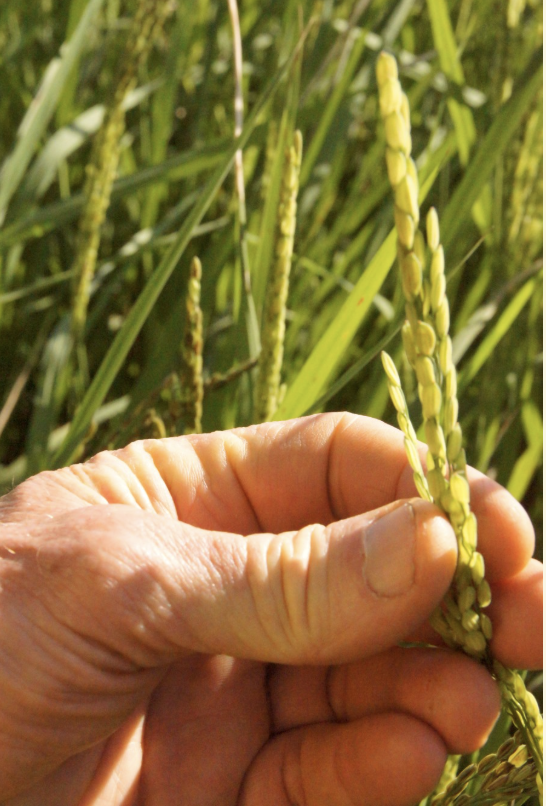
• Multiple rice varieties including farm-developed Annapurna variety
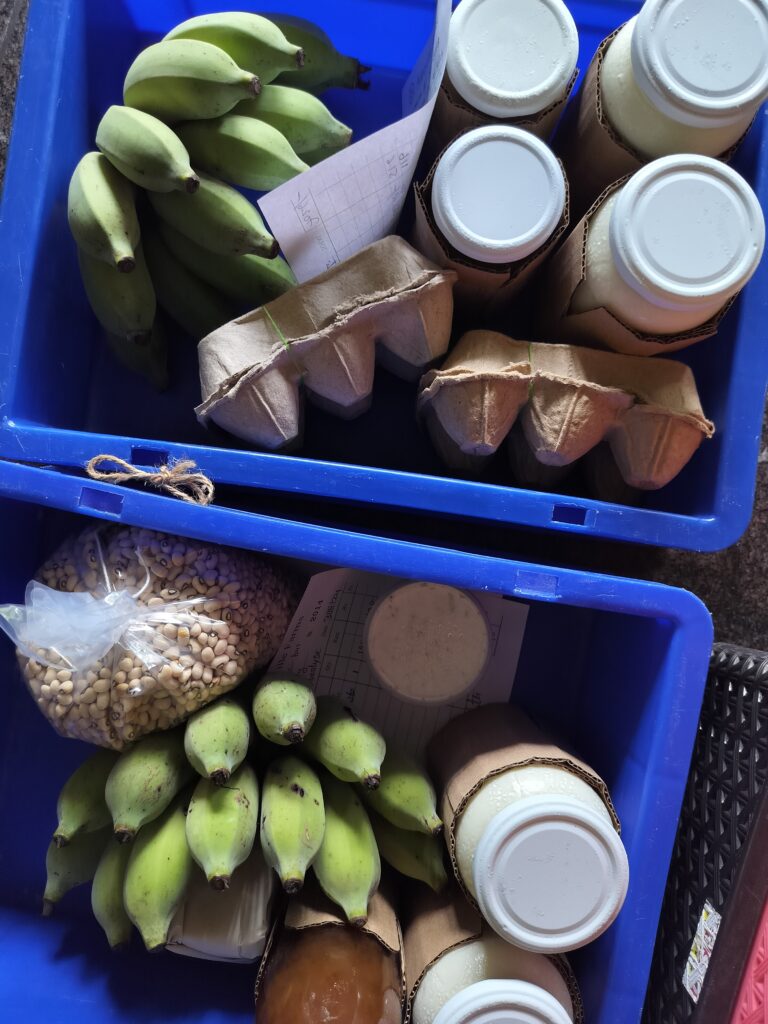
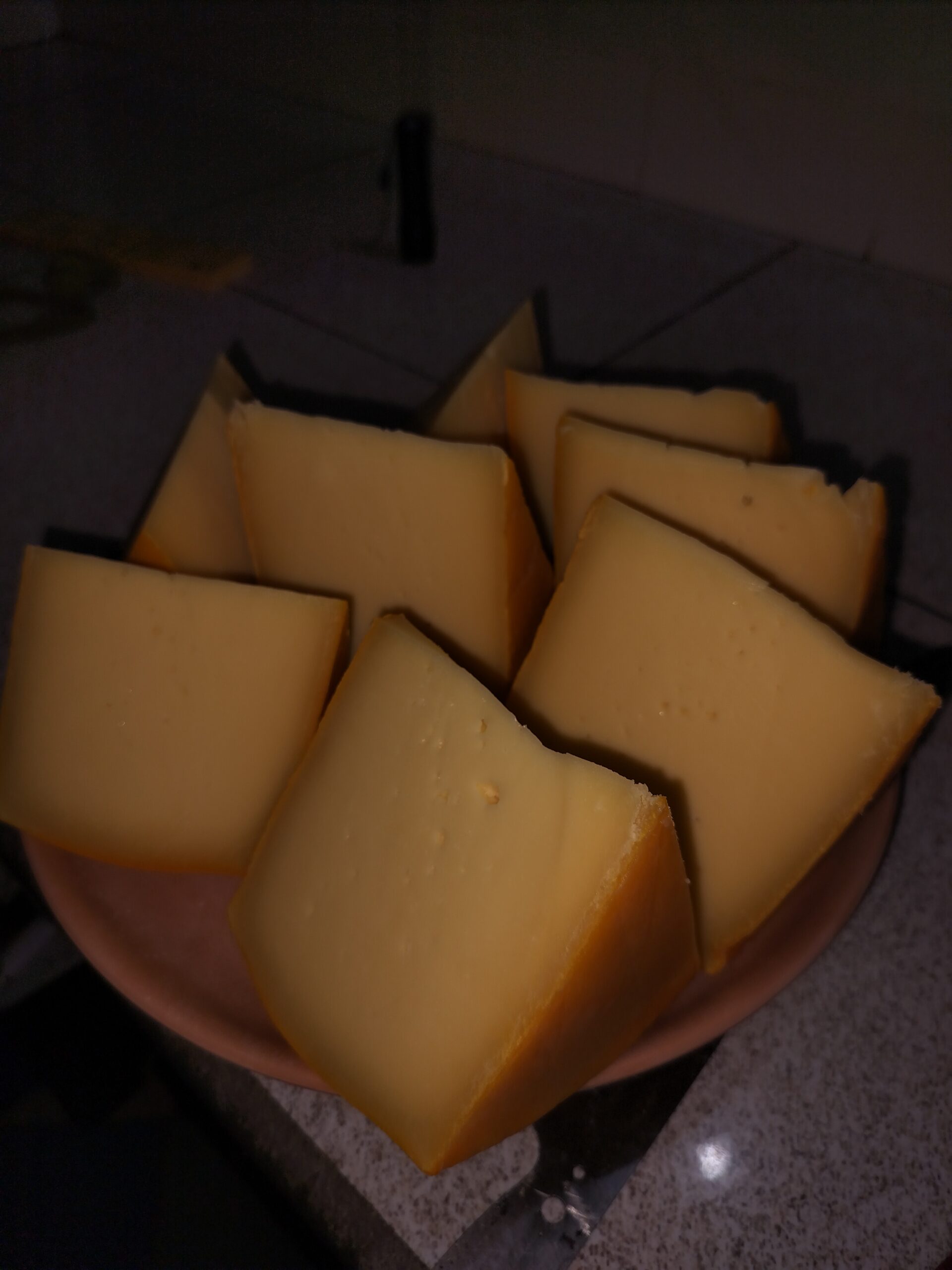
• Organic staple dairy products including yogurt, paneer, cheese spreads and specialty aged cheeses
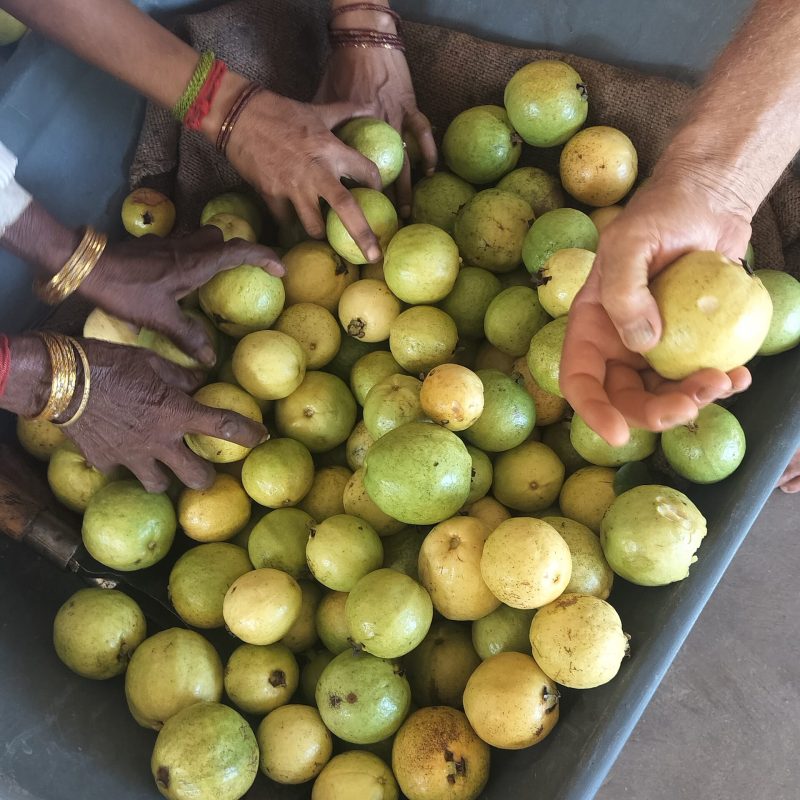
• Fresh fruits and processed foods such as fruit compotes, as well as gomasio, and dried & grated coconut.
For more information on Auroville and the ongoing crisis, visit: www.auroville.media/crisis
Contact:
General information:[email protected]
Press relations:[email protected]
National press: +91 95857 10457
Social Media:
YouTube : @aurovillenews
Facebook : @aurovillenews
X / Twitter: @aurovillenews
Instagram : @auroville_news